Lesotho Integrated Agriculture Management Information System
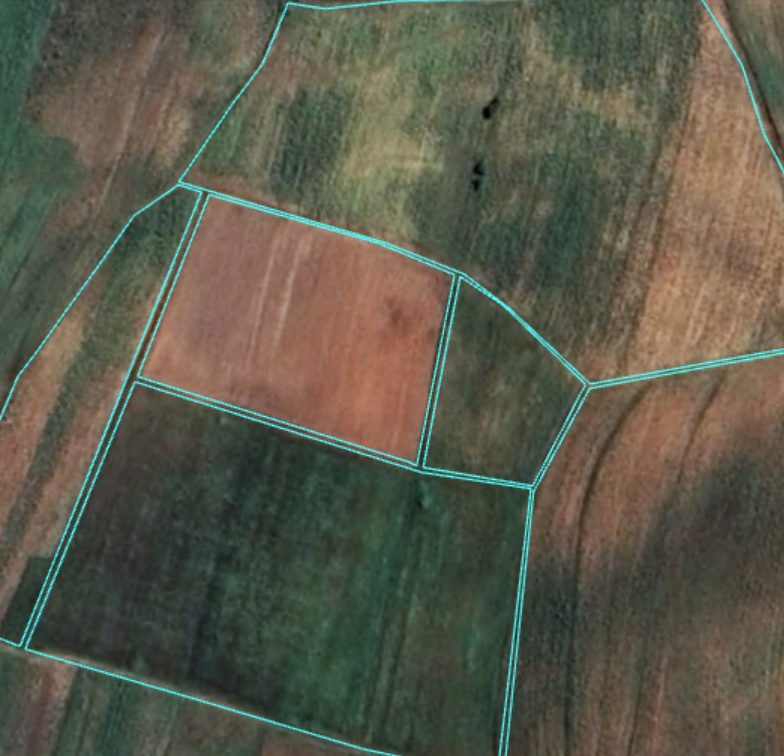
The Lesotho Integrated Agriculture Management Information System (LIAMIS) is a Web Based integrated ...
Aug 31, 2025 Read MoreJoin us in protecting Lesotho's natural heritage and advancing sustainable development.
No upcoming events at the moment. Please check back later.
The Lesotho Integrated Agriculture Management Information System (LIAMIS) is a Web Based integrated ...
Aug 31, 2025 Read More
The Government of Lesotho through the Ministry of Environment and Forestry in close collaboration with other relevant Mi...
Aug 28, 2025 Read More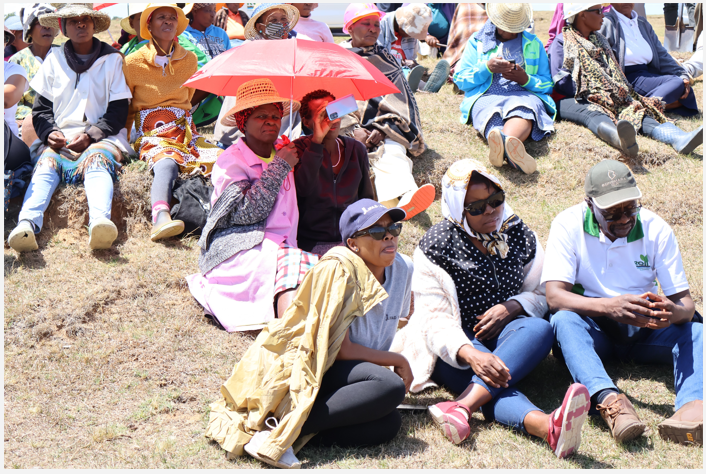
Thota-Peli community in Ha Ntsang sub-catchment in Berea has significantly shifted focus from their traditional burial s...
Aug 13, 2025 Read More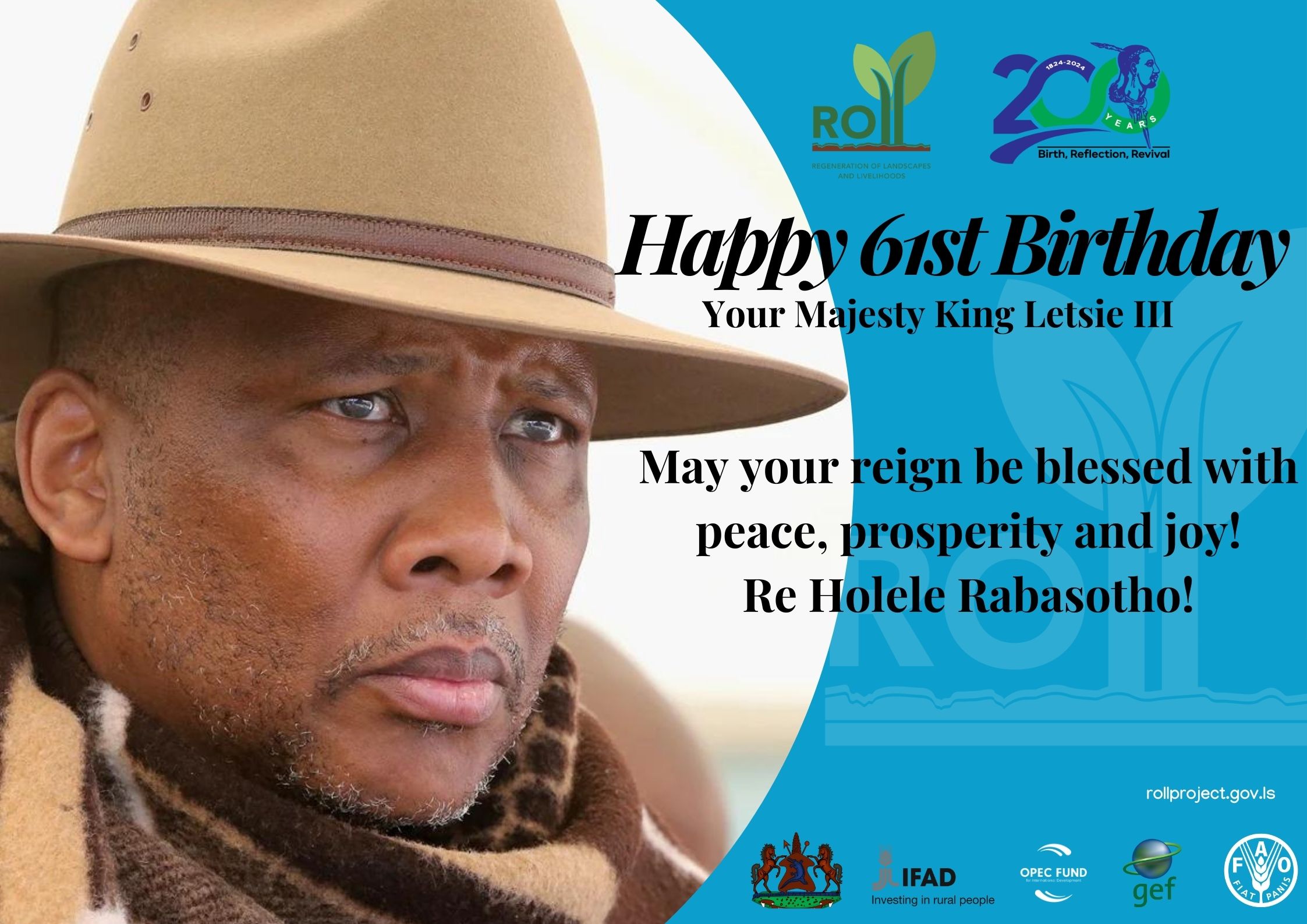
King's Birthday Celebration!...
Jul 17, 2025 Read More
The Lesotho Integrated Agriculture Management Information System (LIAMIS) is a Web Based integrated platform that was developed by...
Comments: 28 | Aug 31, 2025 Read More
The Kingdom of Lesotho is currently facing urgent challenges and opportunities in its natural resource capital. The Kingdom’s unique geography and c...
Comments: 28 | Aug 19, 2024 Read MoreNature-based Solutions (NbS) are defined as “actions to protect, sustainably manage, and restore natural or modified ecosystems, that address societal challenges effectively and adaptively, simultaneously providing human well-being and biodiversity benefits”. This webinar will focus on the work that IUCN and CEM have developed since NbS was adopted as one of the three areas of work in their Programme. The IUCN developed conceptual and definitional frameworks for NbS, including a set of eight principles for NbS interventions. This work, embracing several ecosystem-based and related approaches, serves as the foundation for the development of the Global Standard for the successful implementation of NbS, which has recently been launched.
This video explores efforts by the Department of Agricultural Research, supported by the Agricultural Productivity Program of Southern Africa (APPSA), to build a resilient agricultural sector by focusing on sustainable soil management.
From soil testing and manure application to encouraging sustainable farming practices, these initiatives align with global Sustainable Development Goals (SDGs) such as Zero Hunger, No Poverty, and Life on Land.
The importance of forests cannot be underestimated. We depend on forests for our survival, from the air we breathe to the water we drink. Forests provide habitats for animals and livelihoods for humans, prevent soil erosion and mitigate climate change.
Lekala la Tikoloho le Meru ka t'sehetso ea Morero oa Tsosoloso ea Tikoloho le Ntlafatso ea Bophelo ba Sechaba(ROLL) le hlophisitse mmoka oa Lipuisano tsa Sechaba o tla ba Setsing sa Liboka sa Manthabiseng Maseru ka la 07 hoisa 09 phato monongoaha. Sepheo sa mmoka ke ho tla fumana maikutlo le likhothaletso tsa sechaba hore na ke maoala afe aka sebelisoang ho sireletsa le ho baballa Lihloliloeng le boeeane ba tlholeho.
This website provides up-to-date information about the Ministry of Environment and Forestry, including news, events, publications, and resources for the public.
You can register for upcoming events via the provided registration links in each event description or contact our office for more details.
The mandate of the Ministry of Forestry, Range and Soil Conservation is to rehabilitate degraded land, provide policy and strategic direction as well as review, develop and implement legal frameworks in the areas of forestry, soil and water conservation and range resources management. In its efforts to effectively implement this mandate, the Ministry is expected to create employment opportunities for local communities.